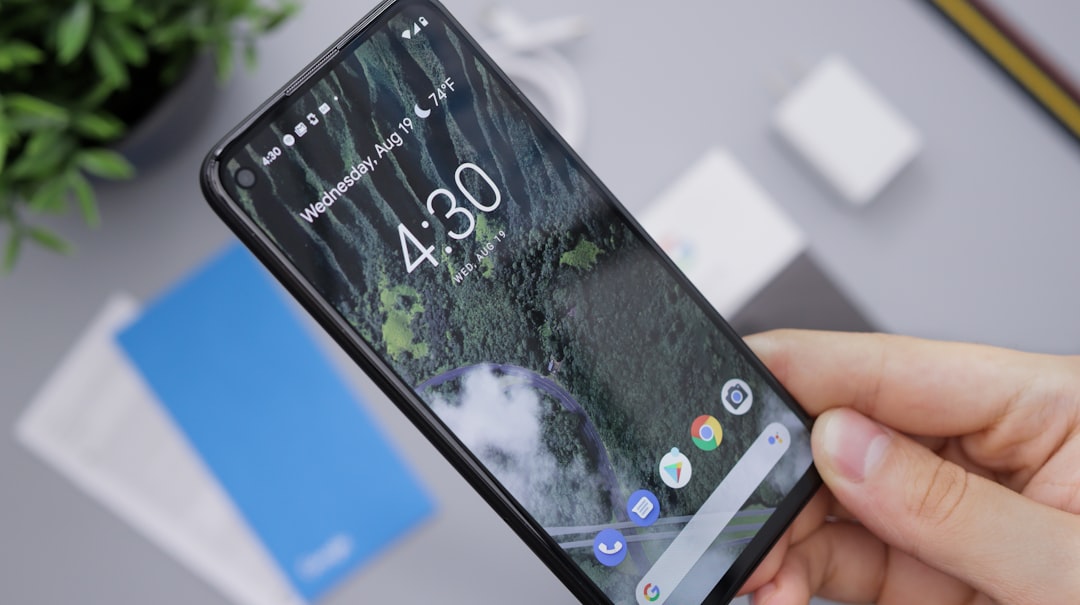
Phoenix's Do Not Call laws adapt to evolving communication technologies, including text messages, emails, and social media. Do Not Call Lawyers assist consumers in navigating these changes, implementing data analytics for compliance, and combating scammers using advanced systems. They advocate for stricter regulations, such as explicit consent requirements, and stay updated with technological advancements to protect consumers from unwanted calls and spam in the digital age.
In today’s digital era, the way we communicate and conduct business has evolved significantly, presenting new challenges for Phoenix’s Do Not Call laws. With the proliferation of automated calls, text messages, and online marketing, consumers are increasingly frustrated by unwanted contact from telemarketers and scammers. Traditional Do Not Call laws, while well-intentioned, struggle to keep pace with these technological advancements. This article delves into how Phoenix’s Do Not Call regulations are adapting to new technologies, exploring the role of legal experts, particularly Do Not Call lawyers in Phoenix, in navigating this complex landscape. By understanding these evolving dynamics, businesses can ensure compliance and consumers can enjoy greater peace of mind.
Understanding Phoenix's Do Not Call Laws

Phoenix’s Do Not Call laws have traditionally been a cornerstone of consumer protection, designed to prevent unsolicited phone calls from telemarketers and sales representatives. However, with the advent of new technologies like text messages, email, and social media, these regulations are facing unprecedented challenges. The traditional Do Not Call list, primarily focused on telephone numbers, is no longer sufficient to address the evolving methods of communication used by businesses seeking to reach consumers.
In response, Arizona’s regulatory bodies have begun to adapt. One significant step is the integration of new communication channels into the Do Not Call framework. For instance, a Do Not Call Lawyer Phoenix can assist in navigating this shift by advising clients on how to register for protections against text messages and emails from marketers. The Arizona Attorney General’s Office has taken proactive measures, implementing rules that require businesses to obtain explicit consent before sending marketing messages via these channels. This evolution ensures that consumers have greater control over their communication preferences, even as new avenues of intrusion emerge.
Moreover, technology itself offers solutions for enhanced compliance monitoring. Advanced data analytics and machine learning algorithms can sift through vast amounts of communication data, identifying and flagging unauthorized calls or messages. Do Not Call Lawyers in Phoenix play a crucial role here by providing expertise to businesses seeking to implement these technologies effectively while adhering to legal boundaries. This not only helps businesses avoid penalties but also fosters a more transparent and consumer-friendly marketplace.
The Impact of Technology on Phone Scams

The evolution of phone scams has paralleled the rapid advancements in technology, particularly with the widespread adoption of smartphones and voice over internet protocol (VoIP) services. Scammers now employ sophisticated techniques to bypass traditional do not call lists and target consumers with relentless calls, often disguised as legitimate businesses or government agencies. This is where Phoenix’s do not call laws come into play, specifically designed to protect residents from unwanted telemarketing calls. However, as technology advances, so must these laws to keep pace with the evolving landscape of phone scams.
One of the most significant impacts of technology on phone scams is the ability to use automated dialers and artificial intelligence (AI). Automated dialers can make thousands of calls per minute, making it nearly impossible for individuals to opt out of unwanted calls. Scammers utilize AI to track consumer responses, adjust their scripts in real-time, and even impersonate individuals based on recorded data. This level of personalization and automation makes it harder for traditional do not call lists to be effective. In 2022, a study by the Federal Trade Commission (FTC) revealed that over 43 million robocalls were made daily, a stark increase from previous years, underscoring the urgent need for updated regulations.
Phoenix do not call lawyers play a crucial role in navigating this evolving legal landscape. They assist consumers in understanding their rights under the Telephone Consumer Protection Act (TCPA) and help them take action against scammers. By staying abreast of technological advancements and legal precedents, these experts can provide practical advice on how to minimize exposure to phone scams. This includes implementing robust do not call policies, using advanced caller ID technologies, and educating employees on recognizing and reporting suspicious calls. Moreover, they advocate for stronger enforcement of existing laws and support the development of new regulations tailored to counter the latest scamming tactics. By combining legal expertise with technological insights, Phoenix do not call lawyers are at the forefront of protecting consumers in this digital age.
Evolving Legislation: Protecting Consumers Today

The evolving nature of consumer protection is evident in the way Phoenix’s Do Not Call laws are adapting to new technologies. With the rise of digital communication channels, traditional regulations are being updated to ensure that consumers’ privacy and choices are respected. A significant focus for Do Not Call lawyers in Phoenix is on protecting individuals from unwanted calls, now extending beyond landlines to mobile devices and online platforms. This shift in legislation reflects a modern understanding of consumer behavior and the increasing reliance on digital tools.
One notable development is the implementation of stricter rules for automated calling systems and text messages. These technologies, while convenient, can easily be abused by telemarketers, leading to a barrage of unsolicited messages. Do Not Call lawyers advocate for robust legal frameworks that mandate clear opt-out mechanisms for such communications. For instance, the Telephone Consumer Protection Act (TCPA) in the US has been amended to include provisions against automated calls and texts without prior express consent. Consumers can now register their phone numbers on national “Do Not Call” registries, blocking a significant number of unwanted calls.
Additionally, as artificial intelligence and machine learning technologies mature, they play a crucial role in identifying and mitigating spam calls. Phoenix-based Do Not Call lawyers collaborate with tech experts to develop advanced systems that analyze calling patterns, detect fraudulent activities, and block malicious calls before they reach consumers’ devices. This proactive approach not only safeguards privacy but also reduces the financial burden associated with handling unwanted calls. By staying at the forefront of technological advancements, legal professionals ensure that Phoenix’s Do Not Call laws remain effective in a rapidly changing digital landscape.